
Every year on August 17th, Indonesia celebrates Hari Kemerdekaan, or Independence Day. It’s the country’s most important national holiday, often referred to simply as Tujuhbelasan, meaning “the seventeenth.” From bustling cities to remote villages on Bali, the day is marked with pride and enthusiasm across the entire country.
On August 17, 1945, just two days after Japan’s surrender, Indonesian leader Sukarno stood on the veranda of his house in Jakarta and proclaimed Indonesia’s independence. Together with Mohammad Hatta, he signed the Proklamasi, a brief but historic declaration that brought an end to centuries of colonial rule. As the red and white flag was raised, the cry “Merdeka”, meaning freedom, rang out for the first time, a word that remains deeply woven into the country’s national identity.
The path to recognition wasn’t straightforward. Years of struggle followed before the independence was recognized internationally, with the official transfer of sovereignty taking place on December 27, 1949. Even so, within Indonesia itself, August 17, 1945 has always been regarded as the true birth date of the republic, and that’s the date celebrated every year.
What makes August 17th so recognizable are the cheerful, low-key traditions that have become part of the celebration over the years. Think of panjat pinang, where groups of participants try to climb a greased, slippery pole to reach the prizes waiting at the top, or balap karung, a running race where everyone hops along inside a burlap sack.
Lomba makan kerupuk, a contest where you have to eat a cracker hanging from a string without using your hands, is another festival staple. These games only really took off from the 1950s onward and have since grown into a social ritual that brings together entire neighborhoods, schools and families. Behind the laughter and fun often lies a nod to the simplicity and resilience of earlier generations.
For Indonesians, August 17th is far more than a day off work. It’s a moment to reflect on the road to independence, on the unity of a country spread across thousands of islands and hundreds of ethnic groups, and on the freedom that came from it. Streets and homes are decorated with red and white flags, and formal ceremonies take place in many places, complete with flag raisings and readings of the Proklamasi. It’s a day that brings the country together, both literally and figuratively.
Bali also celebrates August 17th with great enthusiasm, often giving the day its own local flavor. Villages organize parades and competitions on the village square, streets are strung with flags and bunting, and communities gather for traditional games and shared meals. In some banjars, the celebration blends with local gamelan music or dance performances, mixing Indonesian national pride with Balinese culture. Visitors on the island at this time quickly notice a livelier, more festive atmosphere than usual, with a sense of togetherness felt across every layer of society.
For visitors, August 17th offers a wonderful chance to glimpse a bit more of the Indonesian identity behind the holiday destination. Whether you happen to pass a village celebration, spot flags lining the streets, or simply notice the cheerful buzz in a local neighborhood, it offers a genuine window into what makes this country, and Bali as part of it, so special.
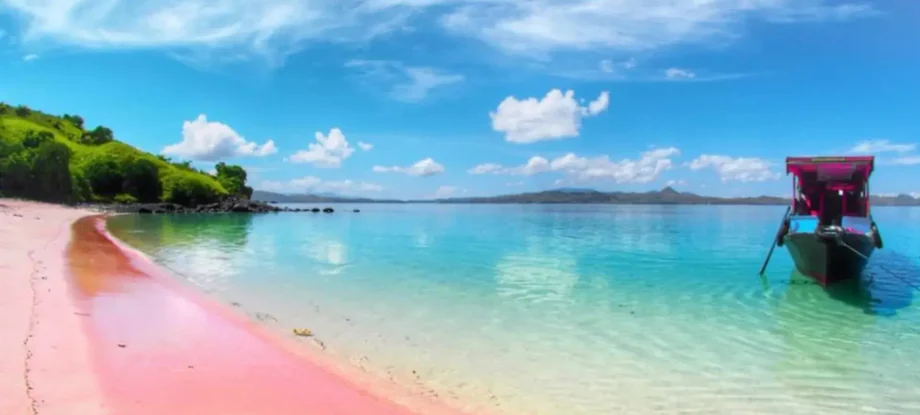

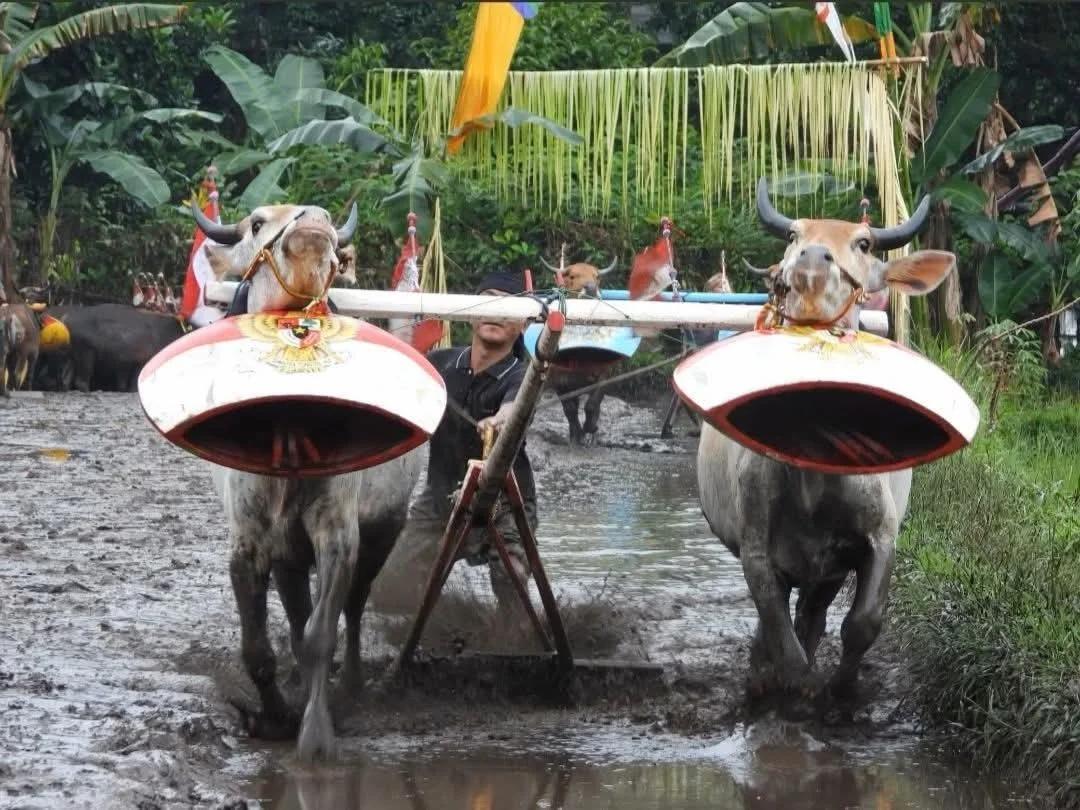
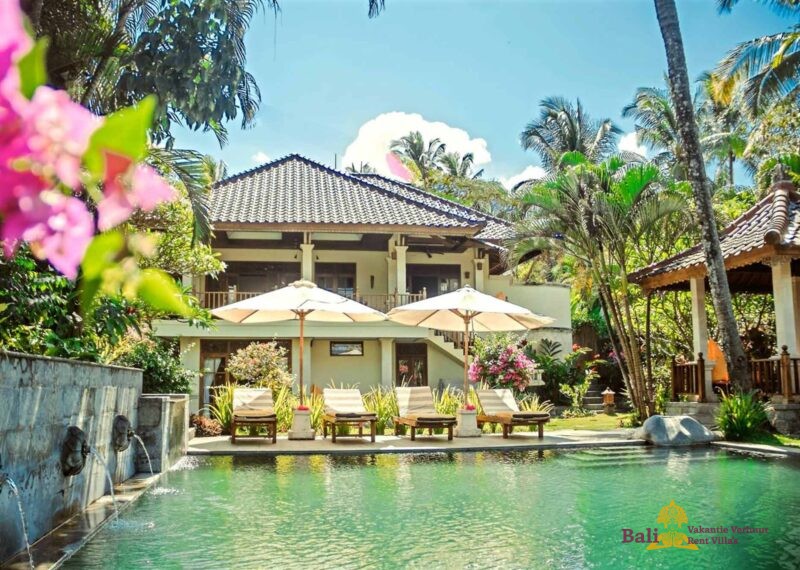
Traveling to Bali around August 17th? You’ll have the chance to experience this special day firsthand, from village celebrations to streets lined with flags. Bali Rent Villas is happy to help you plan your stay, so that alongside the island’s most beautiful spots, you can also catch a glimpse of the local culture and traditions.